Inside https://crushon.ai/trends/furry: How Furry AI Companions Are Reshaping Digital Creativity
Inside https://crushon.ai/trends/furry: How Furry AI Companions Are Reshaping Digital Creativity
The internet has always been a place where niche communities flourish, and few subcultures have grown as creatively and as quickly as the furry fandom. What was once a small network of artists, writers, and costume makers has evolved into a global phenomenon with its own conventions, economies, and artistic language. Now, a new layer is being added to that story: artificial intelligence. Platforms that let users design, chat with, and personalize AI characters are opening fresh doors for furries who want to bring their ideas to life. One of the clearest examples of this shift can be seen at https://crushon.ai/trends/furry, a trends page that tracks how furry-themed AI interactions are growing and what they reveal about the wider direction of character-based AI.
This article explores what that trend page represents, why furry AI companions are gaining traction, how the technology actually works, and what it means for artists, writers, and fans who simply enjoy creative world-building. Rather than treating the furry community as a curiosity, we will look at it as an early adopter of tools that will soon influence how everyone interacts with digital characters.
Why the Furry Fandom Is a Natural Fit for AI Characters
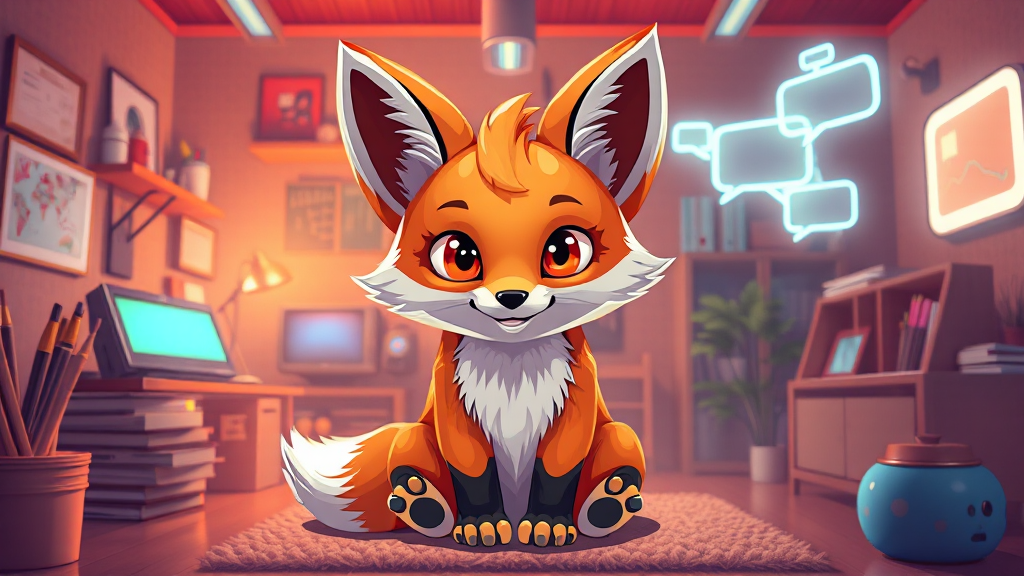
Furry culture is built on personal expression. Members create “fursonas,” original characters that represent an idealized or playful version of themselves, often blending animal traits with human personalities. These characters have backstories, relationships, favorite hobbies, and distinct voices. In many ways, a fursona is already a kind of narrative interface: a way for a person to explore identity through storytelling.
That makes the fandom unusually compatible with conversational AI. When someone already has a detailed character in mind, an AI companion becomes a way to give that character a voice and a memory. Instead of commissioning a single portrait or writing a one-off story, a fan can hold an ongoing conversation with their creation. The character can respond, remember previous chats, and develop a consistent tone over time. For a community that values creativity and personalization, this is a meaningful upgrade rather than a gimmick.
There is also a practical side. Traditional creative work in the fandom often depends on artists who may have long waiting lists or limited availability. AI characters do not replace that artistry, but they do offer an accessible entry point for people who want to experiment with dialogue, personality, and scenario building before investing in commissions. That lowers the barrier for newcomers and gives experienced fans another medium to play with.
What the Trends Page Actually Shows
The page at https://crushon.ai/trends/furry functions as a window into demand. It highlights the popularity of furry-related AI characters and shows how user interest moves over time. For anyone curious about where character AI is heading, this kind of trend data is more useful than a single snapshot. It reveals which character archetypes attract attention, how quickly new themes emerge, and how deeply users engage once they find a persona they like.
Trend pages like this matter because they turn raw activity into signals. A spike in interest around a particular species, personality type, or storytelling genre can indicate a broader cultural moment. For creators, that information can guide what kind of content to make. For casual users, it is a discovery tool, a way to find characters that match their taste without guessing. And for observers of technology, it is evidence that niche communities often lead the way in adopting new interfaces long before the mainstream catches on.
It is worth noting that trends are not just about volume. They are also about depth. A community that returns repeatedly, builds relationships with characters, and shares its creations is very different from an audience that clicks once and leaves. The furry segment of AI character usage tends to show that kind of stickiness, which is why it deserves attention beyond surface-level curiosity.
How Furry AI Companions Are Built
Under the hood, a furry AI companion is usually a combination of several technologies working together. The first is a large language model, which handles conversation, tone, and reasoning. The second is a character configuration layer, where traits such as species, personality, speech style, and backstory are defined. The third is a memory system, which allows the character to recall details from past interactions so that conversations feel continuous rather than resetting every time.
Designers of these characters often think in terms of “personality prompts.” A wolf character might be written as loyal and protective but occasionally sarcastic. A fox might be clever, curious, and a little mischievous. These descriptions are not just flavor text; they shape how the model responds. The more coherent the character definition, the more believable the interaction becomes. This is where the furry community’s existing storytelling skills become a real advantage. Fans already know how to write character bibles, and that translates directly into better AI personas.
Visual elements are also part of the experience on many platforms. Avatars, profile art, and scene imagery help users anchor the character in their imagination. Some tools generate images from text descriptions, while others let users upload their own artwork. The result is a multimedia character that exists in both conversation and visual form, which is exactly the kind of hybrid experience the fandom has been building toward for years.
Creative Use Cases Beyond Simple Chat
One of the most interesting aspects of this trend is how varied the use cases have become. Role-playing is the most obvious: users set up scenarios, from slice-of-life conversations to epic fantasy adventures, and let the character respond in real time. This is essentially collaborative fiction, with the AI acting as a co-writer who never gets tired and never breaks character.
Another common use is character development. Writers use AI companions to test dialogue. If a line sounds wrong coming from the character, they revise it. Over many sessions, the character’s voice becomes sharper and more distinct. This is a feedback loop that would be difficult to replicate with human beta readers alone.
Some users treat their AI companions as creative prompts. A conversation might spark an idea for a drawing, a short story, or a comic panel. Others use them for language practice, world-building, or simply as a low-pressure way to unwind. The common thread is that the character becomes a tool for imagination, not a replacement for it. The human still supplies the direction, the taste, and the emotional investment.
There is also a social dimension. Communities share character designs, compare notes on what makes a good persona, and discuss which traits lead to the most engaging conversations. That shared knowledge improves the ecosystem for everyone and keeps the trend evolving rather than stagnating.
The Ethics and Boundaries of Furry AI
Any discussion of character AI has to address boundaries. Responsible platforms set clear rules about what kinds of content are allowed, how user data is handled, and what age restrictions apply. For the furry community, which includes a wide range of ages and interests, these guardrails matter. A well-designed platform gives users room to be creative while keeping the environment safe and respectful.
Consent and transparency are also important. Users should understand that they are talking to an AI, not a person. They should know how their conversations are stored and whether their character designs are private or public. On the flip side, creators who build popular characters deserve recognition for their work. Clear attribution and respect for original designs help keep the community healthy.
Finally, there is the question of emotional reliance. AI companions can be genuinely comforting, especially for people who feel isolated. That is not inherently bad, but it is worth being mindful of. The healthiest relationship with any AI character is one where it enhances real life rather than replacing it. Used well, these tools can support creativity, reduce loneliness, and provide a safe space for self-expression.
What This Trend Says About the Future of Character AI
The furry segment of AI character usage is a preview of something larger. As the technology improves, more people will want personalized digital companions tailored to their interests, whether that is anime, historical fiction, sci-fi, or something else entirely. The furry community is simply early, vocal, and highly creative, which makes it a useful bellwether.
We can expect several developments. Characters will become more consistent over long conversations. Memory will improve, allowing for richer relationships and more complex storylines. Multimodal experiences, where text, voice, and imagery blend seamlessly, will become standard. And discovery tools, like the trend data available at https://crushon.ai/trends/furry, will help users find characters that match their preferences without wading through noise.
For the furry fandom specifically, this is an opportunity to shape the norms of a new medium. The community’s emphasis on creativity, personal expression, and mutual respect is a good foundation. If those values carry into AI character design, the result will be a richer, more welcoming space for everyone.
FAQ
What is a furry AI companion?
A furry AI companion is a conversational AI character designed with animal-inspired traits, often based on a fursona or original character. It can chat, role-play, and remember details from past conversations, giving users an interactive way to explore their creative ideas.
Is the furry AI trend only for people already in the fandom?
No. While the furry community was an early adopter, the trend attracts anyone interested in character-driven AI. Writers, role-players, and curious users often explore furry characters because they tend to have well-developed personalities and rich backstories.
How does the trends page at crushon.ai help users?
The trends page highlights which furry characters and themes are currently popular, making it easier to discover new personas. It also gives creators a sense of what audiences are responding to, which can guide future character design.
Are furry AI companions safe and private?
Safety and privacy depend on the platform. Reputable services publish content policies, offer privacy controls, and are transparent about how conversations are stored. Users should review those settings and choose platforms that respect their boundaries.
Can AI replace human artists in the furry community?
AI is better understood as a complement, not a replacement. It can help with brainstorming, dialogue testing, and quick visualization, but human artists still provide the skill, style, and emotional depth that define the fandom’s best work.